
Informações gerais
ID
MOVI-1719
Mostra
Nome
Berlim-Jerusalém
Berlin-Jerusalem
Berlin-Jerusalem
Nome original
Berlin-Yerushalaim
Direção
País de origem
Sinopse
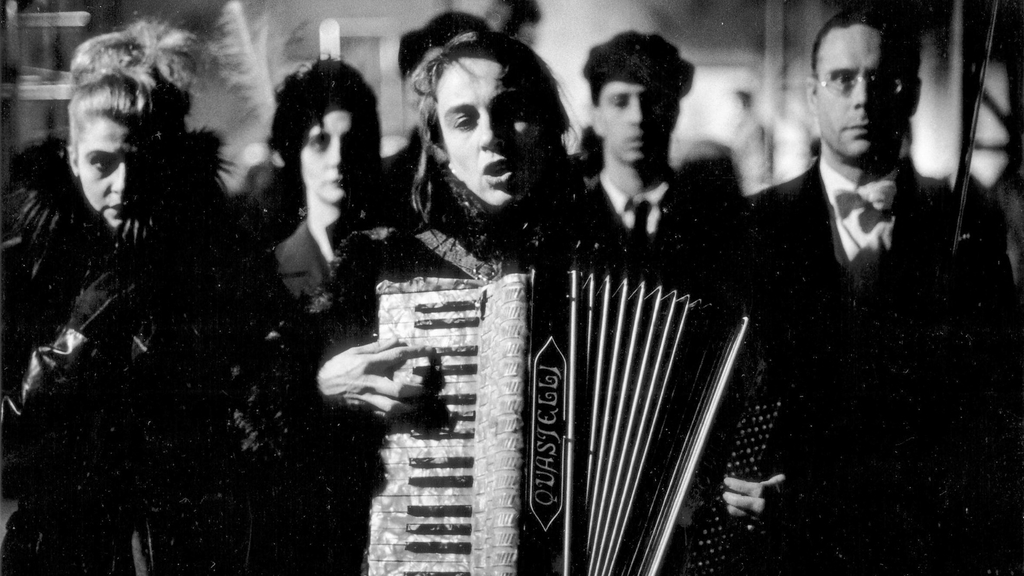
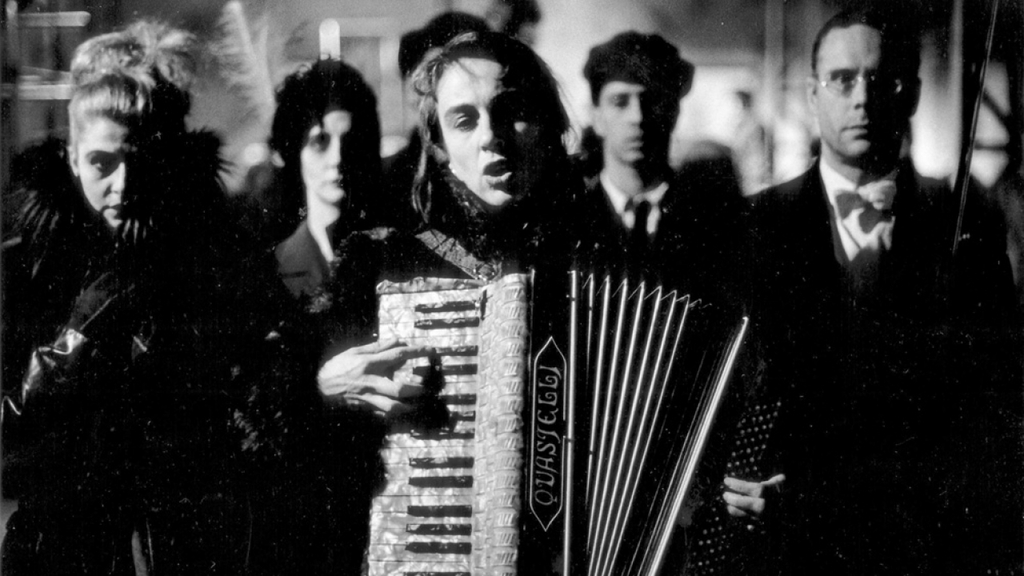
O eixo do filme equilibra-se em torno da viagem de duas mulheres à Palestina: a poetisa expressionista alemã Else Lasker-Schüller e Mania Shohat, uma pioneira sionista proveniente da Rússia, cujos destinos vão se cruzar, no confronto de seus sonhos sobre Jerusalém diante da vivência real da cidade. As imagens dos cafés de Berlim sobrepõem-se às das áridas montanhas ao redor de Jerusalém, sinalizando uma reflexão em torno da perda de utopias, da luta e dos desencantos de toda procura. Baseando o roteiro nas biografias dessas duas personagens reais, o cineasta despoja a figura dos pioneiros de Israel de sua aura heroica, apresentando-os simplesmente como humanos, suscetíveis às mais básicas emoções, como o medo e a dúvida.
Vencedor do Prêmio da Crítica no Festival de Veneza de 1989.
The film revolves around a journey to Palestine undertaken by two women, the expressionist German poet Else Lasker-Schüller and Mania Shohat, a Zionist pioneer from Russia, whose fates interlock in the realms of their dreams about Jerusalem turned into reality. Images from Berlin’s cafés are juxtaposed with scenes of the dry barren mountains around Jerusalem leading to a reflection on the loss of utopias, and the struggles and disillusions behind every quest. Based on the biographies of these two real-life characters, Gitai’s screenplay strips the figure of Israel’s pioneers from their heroic aura by depicting them as ordinary human beings, susceptible to basic emotions such as fear and doubt.
Winner of the Critics’ Award at the 1989 Venice Festival.
Duração (min)
89
Cromia
Descritores
BerlimAssunto
filmes premiadosAssunto
PalestinaAssunto
homenagemAssunto
Reino UnidoAssunto
HolandaAssunto
ItáliaAssunto
IsraelAssunto
FrançaAssunto
Gênero
Ficha técnica
Roteiro
Amos Gitai, Gudie Lawaetz
Fotografia
Henri Alekan, Nurith Aviv
Montagem
Luc Barnier
Música
Markus Stockhausen
Elenco
Lisa Kreuzer, Rivka Neuman, Markus Stockhausen, Benjamin Levi, Vernon Dobtcheff
Produção
Amos Gitai, Ilan Moscovitch
Produzido por
Agav Films, Channel Four, La Sept, Nova Films, Rai2, Orthel Films, NOS
Assets
Imagem
filme-1719.jpgImagem
Data
1989