
Informações gerais
ID
MOVI-2647
Mostra
26ª MOSTRAEdição
Seção
Nome
Durval Discos
Durval Records
Durval Records
Nome original
Durval Discos
Direção
País de origem
Sinopse
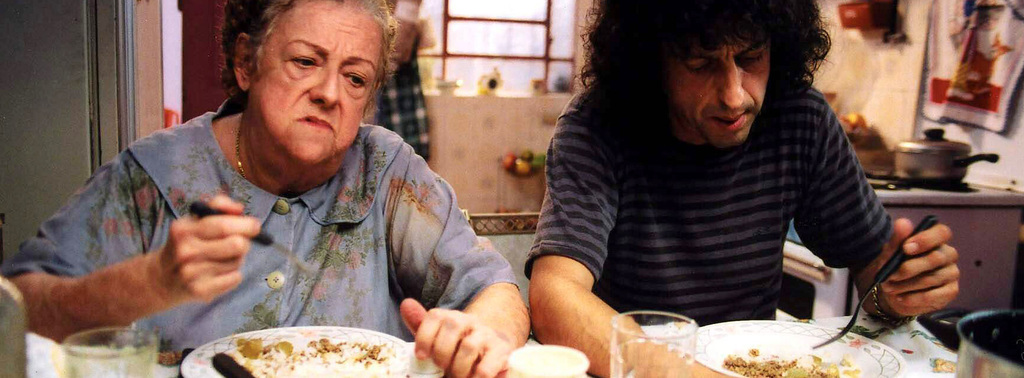
Inspirado nas antigas lojas de vinil do bairro de Pinheiros, zona oeste de São Paulo, como a Edgar Discos e a Eric Discos, a narrativa tem como pano de fundo uma dessas lojas, no ano de 1995, especializada em MPB. Durval e sua mãe, Carmita, moram isolados há muitos anos nos fundos da Durval Discos. Eles vivem em um mundo anacrônico e entediante. Certo dia, Durval decide contratar uma empregada para ajudar a mãe nos serviços domésticos. O salário baixo atrai Célia, uma estranha doméstica que acaba levando um pouco de alegria para a casa. No dia seguinte, porém, Célia desaparece e deixa para trás Kiki, uma menina de 5 anos, e um bilhete dizendo que voltará em dois dias. Durval e Carmita se deixam invadir pela alegria da criança, mas logo uma notícia do telejornal os colocará ao par da triste realidade sobre Kiki e Célia. A partir daí, o filme entra em seu “lado B”, uma trama de contornos policiais, agonia e libertação, com toques de absurdo.
Inspired by the old stores that sold vinyl records, the story is set with one of these stores specialized in MPB (such as Edgar Discos, and Eric Discos), in the district of Pinheiros, in São Paulo, in the seventies, as a background. Durval and his mother Carmita have lived alone for many years at the back of the Durval Discos shop. Theirs is an anachronic, boring world. One certain day, Durval decides to hire a maid to help his mother in the household chores. A low salary is attractive enough to Célia, a strange maid who brings some joy into the home. Next day, however, Célia disappears and leaves behind a child, Kiki, age 5 with a note to the effect that she will be back in two days. Durval and Carmita are overjoyed at the child, but soon news over the television is to make them aware of the sad reality involving Kiki and Célia. As from this point, the film enters onto “Side B”, a plot of police encounters, agony, and liberation, with touches of absurdity.
Duração (min)
96
Cromia
Descritores
BrasilAssunto
Gênero
Ficha técnica
Produção
Sara Silveira, Maria Ionescu
Produzido por
Dezenove Som e Imagens, África Filmes
Fotografia
Jacob Solitrenick
Design de produção
Ana Mara Abreu
Roteiro
Anna Muylaert
Montagem
Vania Debs
Som
Romeu Quinto, Geraldo Ribeiro, José Luiz Sasso, Pedro Sérgio
Elenco
Ary França, Etty Fraser, Isabela Guasco, Marisa Orth, Letícia Sabatella
Assets
Imagem
filme-2647.jpgImagem
Data
2002